
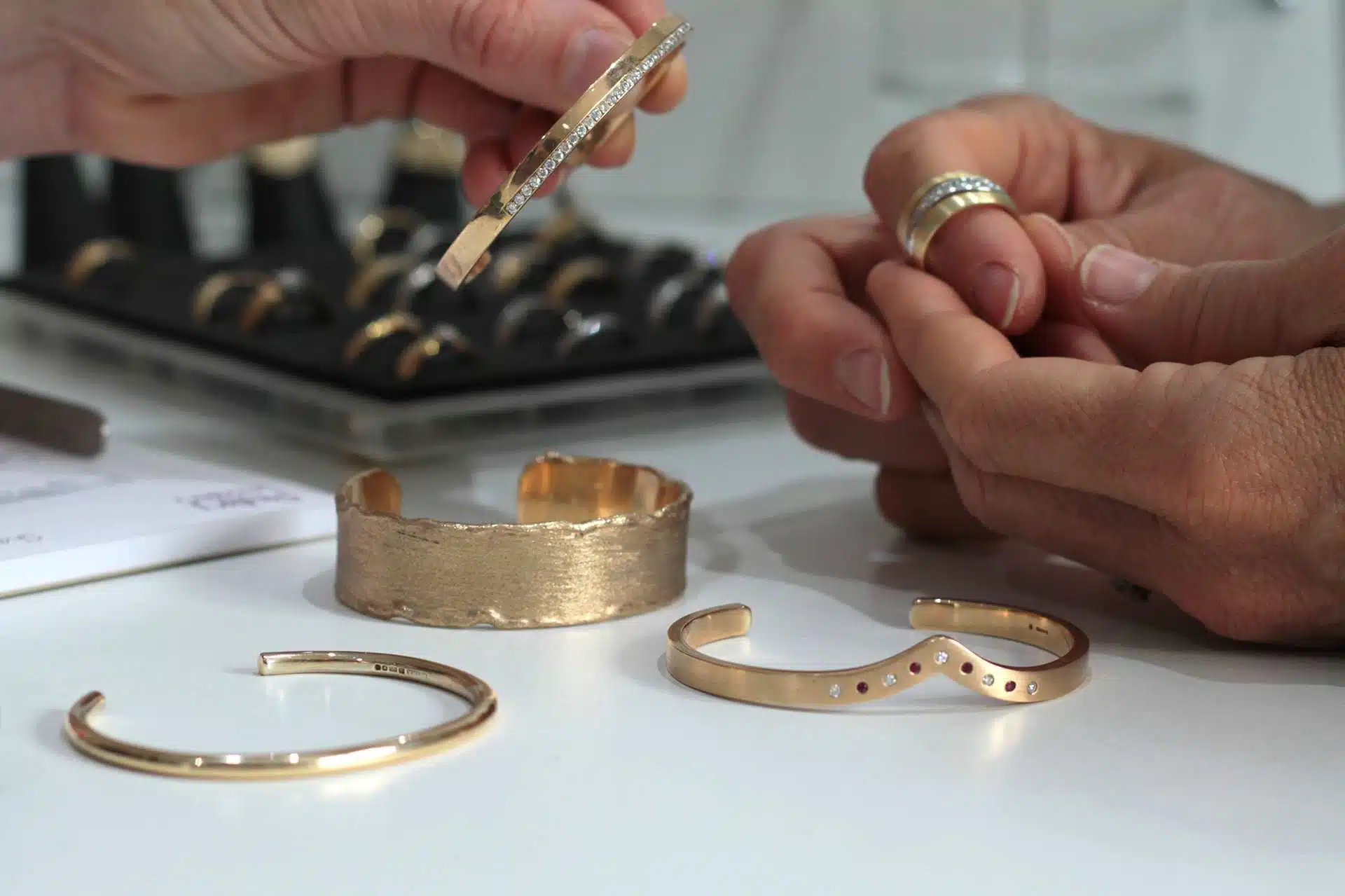
Remodelling jewellery is not the same as repairing it. Repairs restore what was there. Remodelling takes existing material, metal, stones, or both, and transforms it into something new. The result is a piece that didn’t exist before, built from materials that already carried a history.
Finding the right remodelling services in Sydney means understanding what this kind of work involves and what separates a jeweller who does it well from one who doesn’t.
The Case for Remodelling Over Selling
People often think about remodelling when they’ve inherited jewellery they can’t wear as it is, or when pieces have accumulated that individually aren’t useful but together have value.
Selling is usually the path of least resistance. It’s also rarely as straightforward as expected. The resale value of second-hand jewellery, particularly pieces from mainstream retailers, tends to disappoint. And once a piece is sold, the material is gone along with whatever connection it carried.
Remodelling keeps the material in your possession. The gold and the stones remain but the form changes to something that fits who has them now rather than who had them before. For pieces with genuine sentimental weight, this is usually the better outcome.
What Actually Happens During Remodelling
The first stage is an honest assessment of the material. Gold varies in purity and alloy composition across different eras and origins. The jeweller needs to know what’s there, whether it can be directly worked or needs refining, and whether stones are in condition to be reset.
Old stones sometimes show wear on facets or girdles. This can be polished out or recut, depending on severity. Settings that have been poorly repaired previously sometimes create complications. Knowing all of this before the design is committed means the design is realistic.
From the assessment, the design conversation can start. What is the existing material best suited to become? What does the person who’ll wear the new piece actually need? How much additional material, if any, is required to achieve the design?
Engagement Rings and Relationship Jewellery
One of the more common remodelling scenarios involves rings from relationships that ended. The diamond is often genuinely good. The gold has value. Wearing the original piece isn’t appropriate but selling it feels wrong.
Remodelling breaks the association completely. The stone and metal become something entirely new with no visual connection to the original piece. The value is preserved and the material continues but in a form that makes sense in the present.
This kind of remodelling requires a straightforward conversation about what the new piece should be and for whom. The design can go in any direction the material supports.
Multiple Pieces Into One
Another common scenario involves accumulated pieces that don’t individually amount to much. A ring that hasn’t fitted for years. Two odd earrings without their partners. A brooch that was never worn. A broken chain.
Individually these pieces might seem beyond useful. Together, the gold content from four or five pieces can produce a meaningful amount of material for a new commission. The stones, if there are any worth using, can be incorporated into the design or set aside depending on quality.
This kind of project starts with an inventory and a realistic weight assessment. The jeweller needs to be direct about what the combined material can and can’t produce.
The Design and Fabrication Process
Remodelling follows the same design process as new custom work. Assessment, consultation, sketch or CAD render, approval, fabrication. The key difference is that the starting point is existing material rather than a blank brief.
Timeline is similar to new commissions, three to six weeks in most cases. Complexity and what the assessment reveals can extend this.